Gateau St. Honore with Salted Caramel
I have heard that the Gateau St. Honore is used…
Bring the Charm of French Living Into Your Everyday Life 👉🏻 Free e-Guide
EAT LIKE THE FRENCH, LIVE LIKE THE FRENCH 🍽️ Free e-Guide

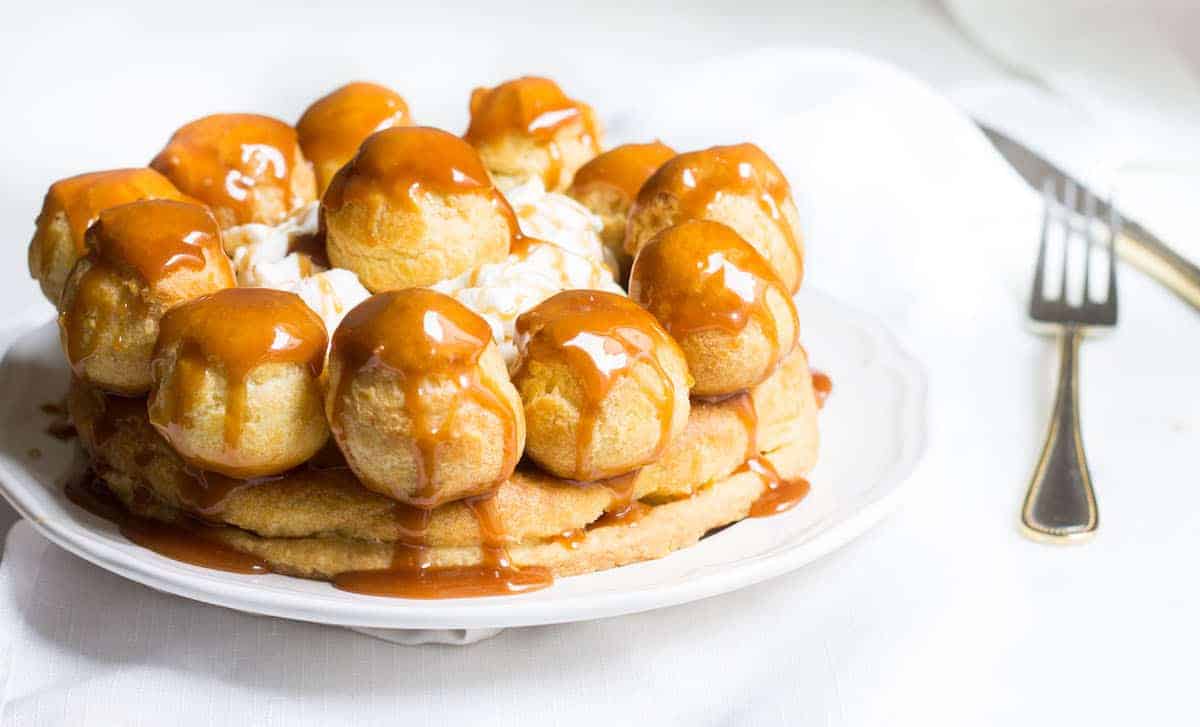
I have heard that the Gateau St. Honore is used…
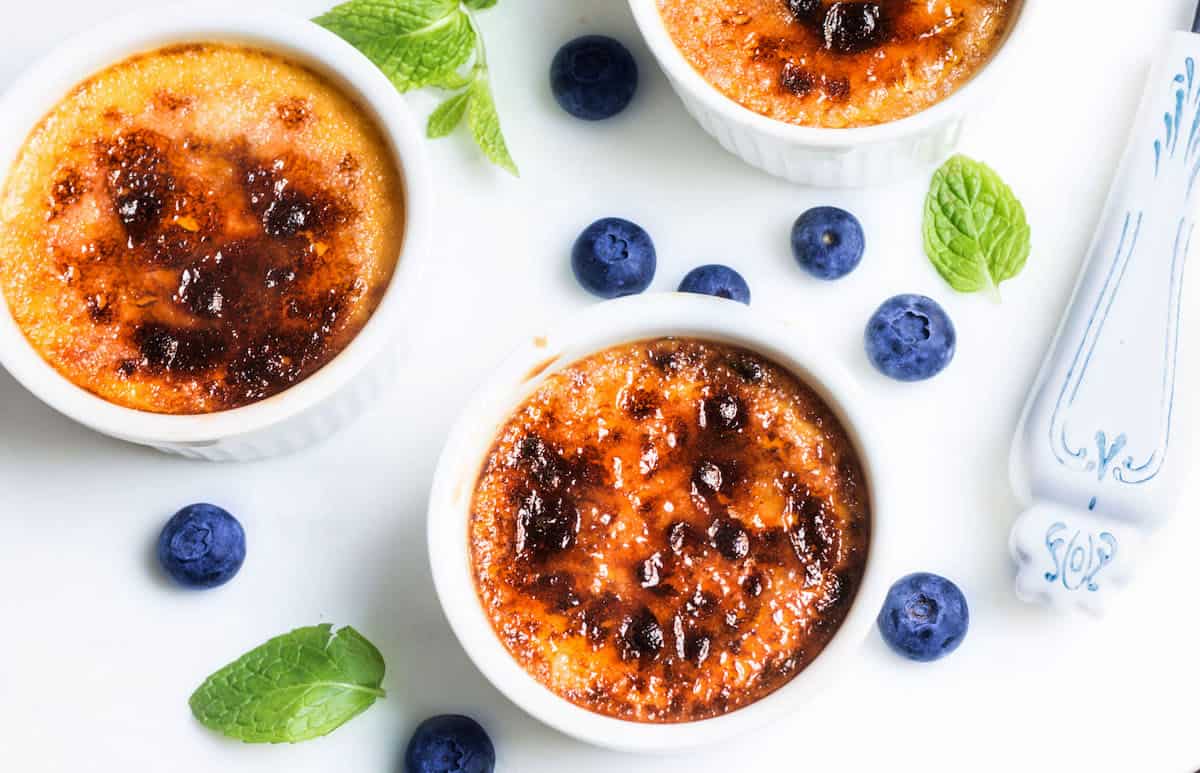
Growing up, my favorite dessert to order at a restaurant…
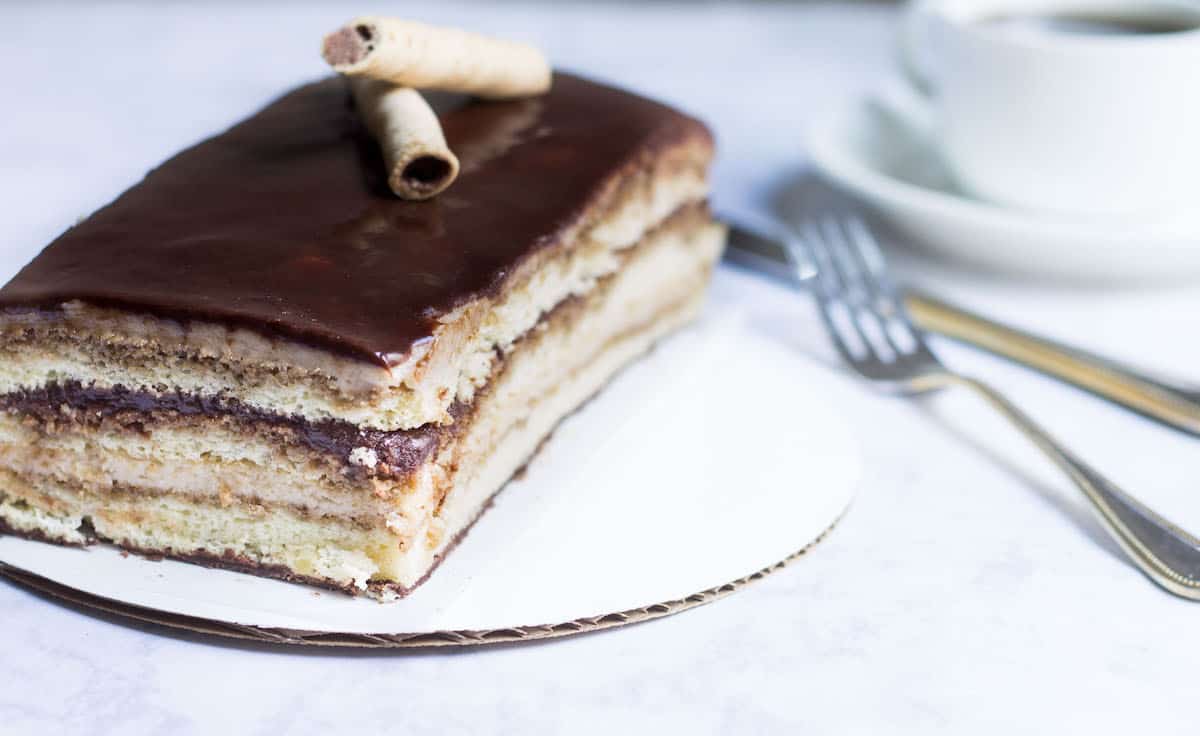
This opera cake is every coffee and chocolate-lover’s dream. I…
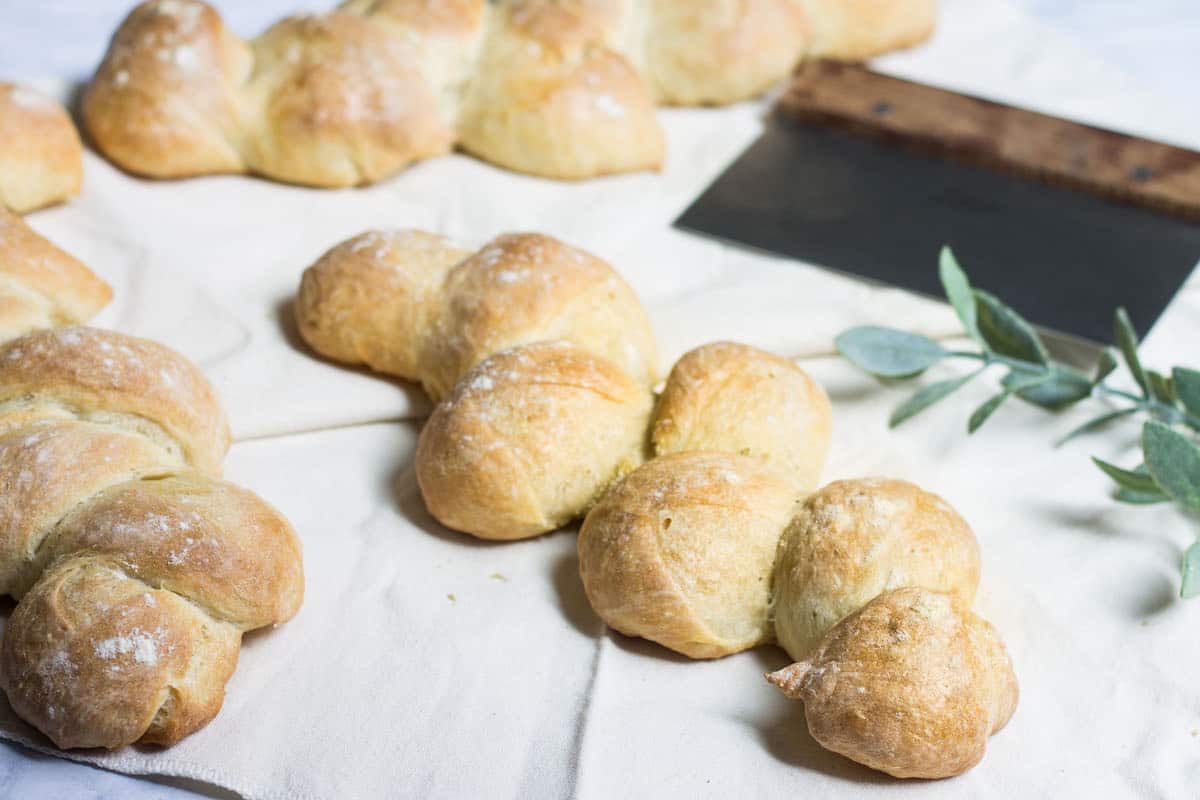
French bread is one of life’s many pleasures. To enjoy…
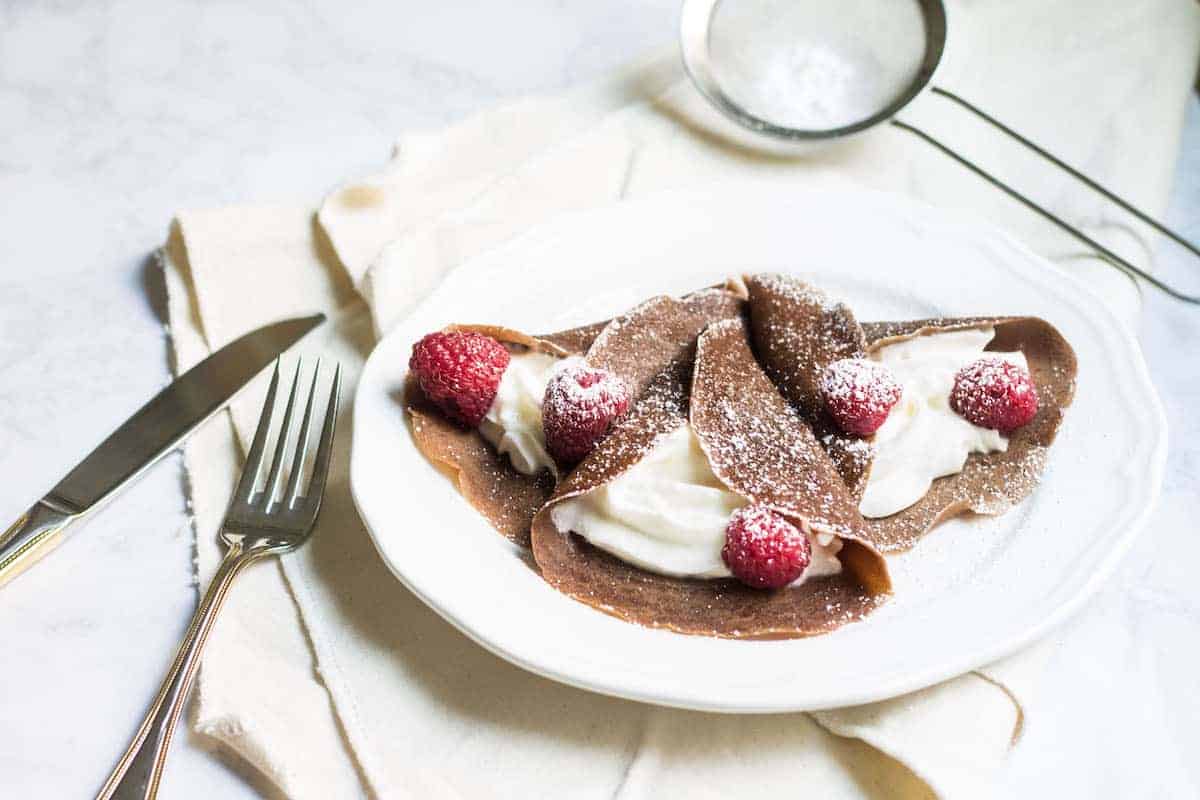
Walking through the streets of Paris, it’s impossible not to…
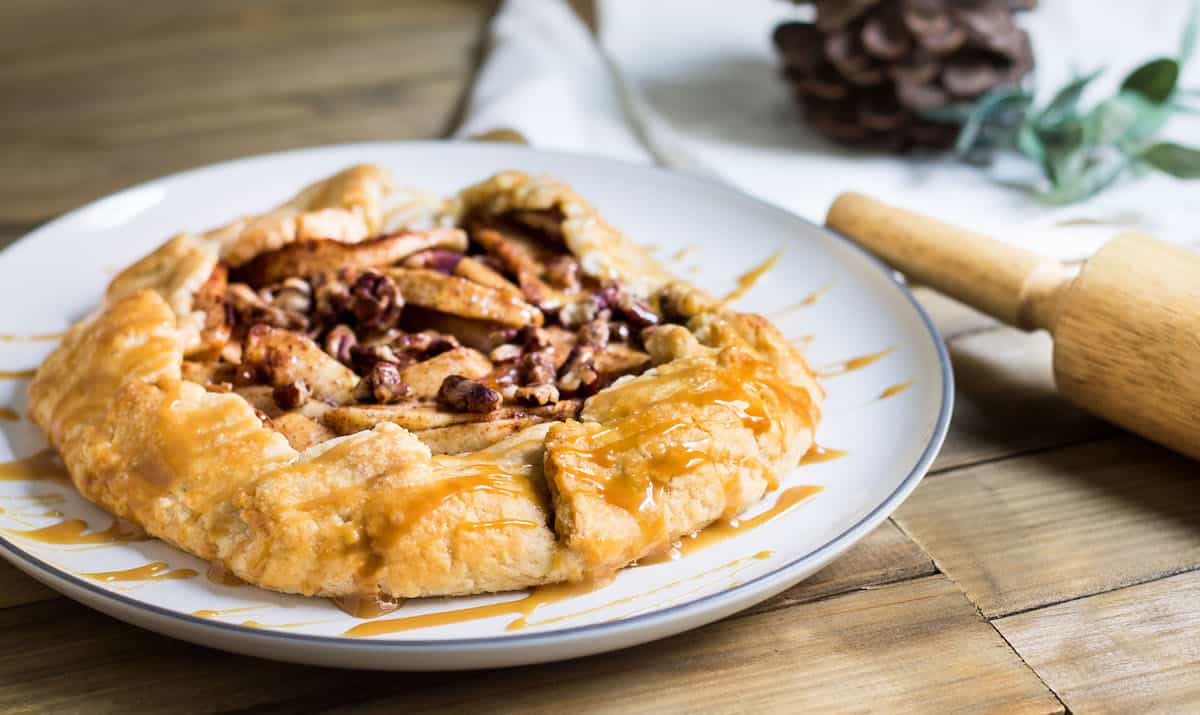
Today, I’m sharing a recipe for a delicious apple galette…
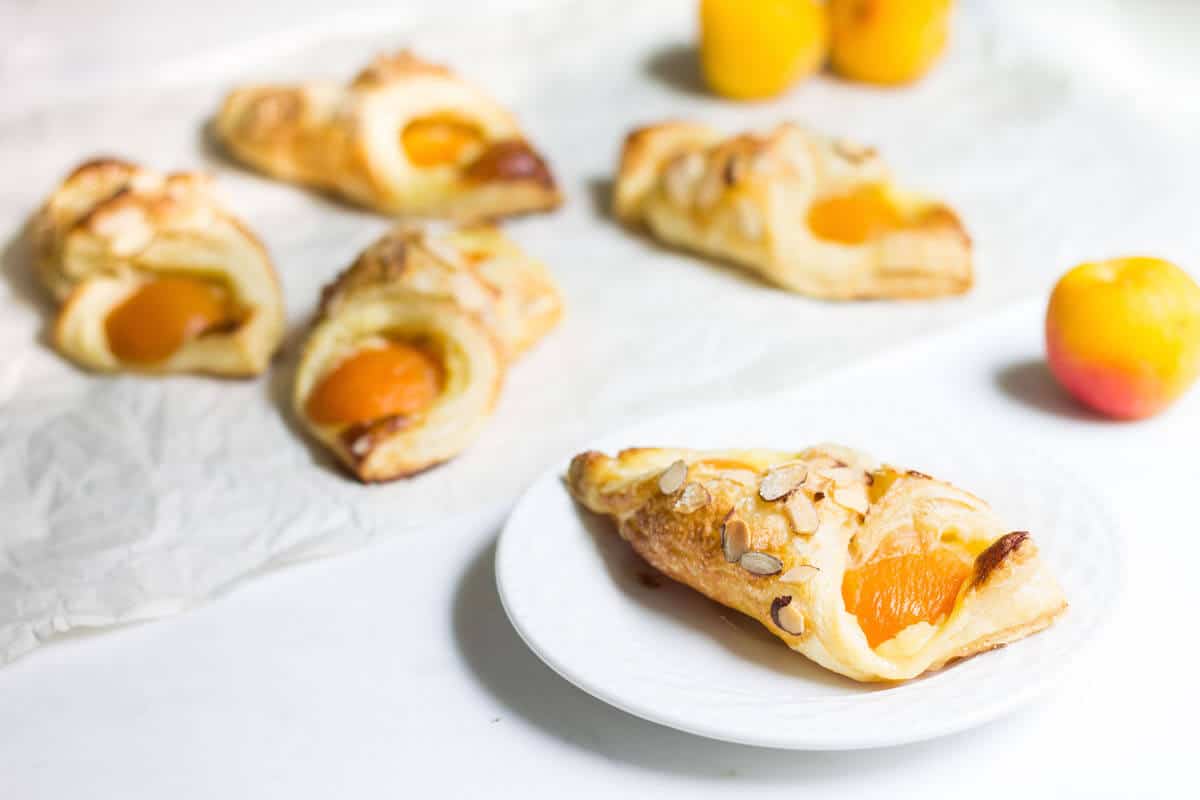
There’s something undeniably charming about the oranais aux abricots, a…
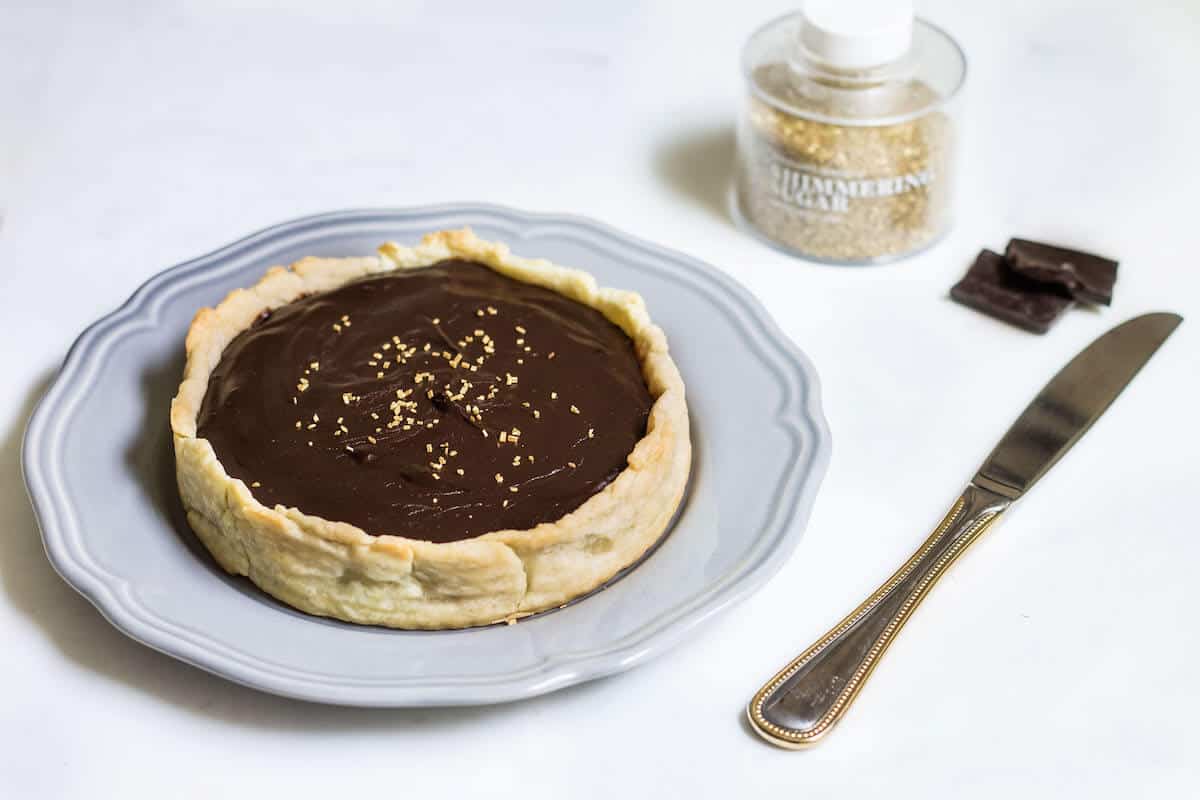
The French know what it means to be a chocolate-lover….
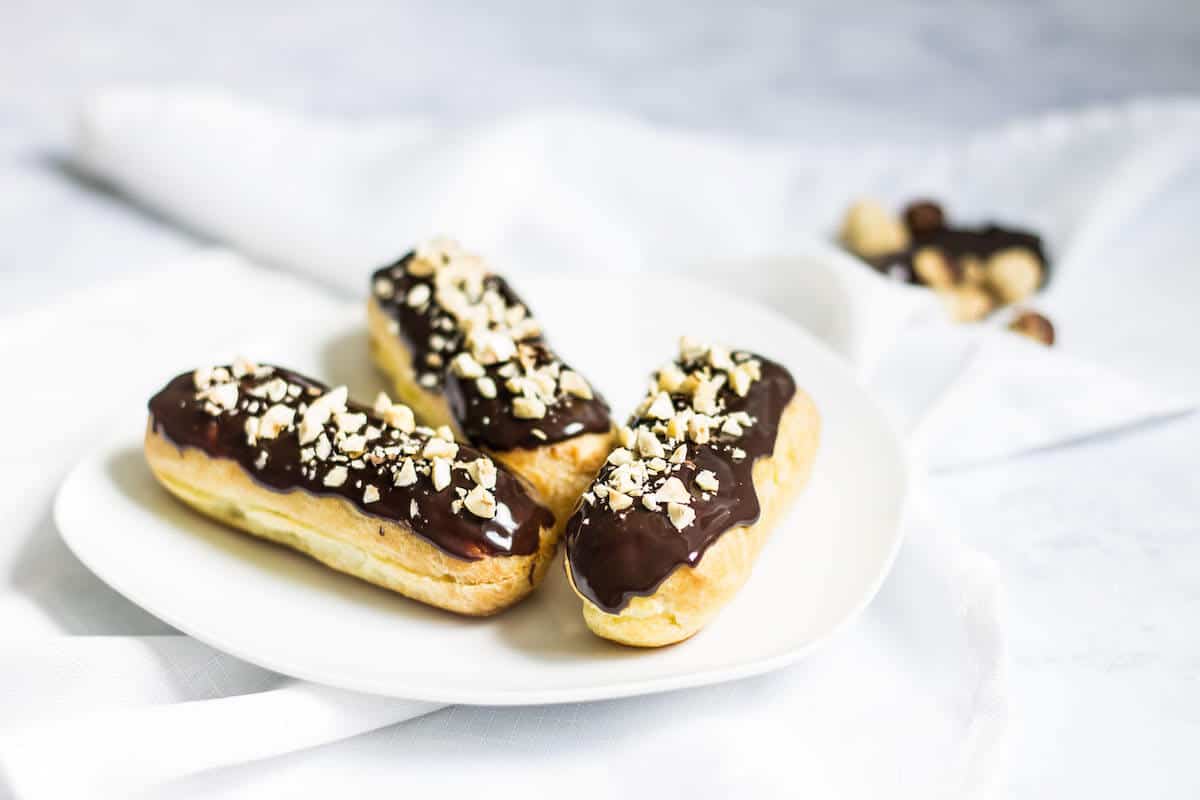
Cream puffs and eclairs, these are quite possibly some of France’s most popular pastries, excluding the macaron, of course. Unlike the crisp macaron cookie, cream puffs and eclairs are pillow-y and soft. I like to think of them as pastry clouds because they truly taste like a dream. And since today is my birthday, I think I deserve a dreamy, indulgent dessert.
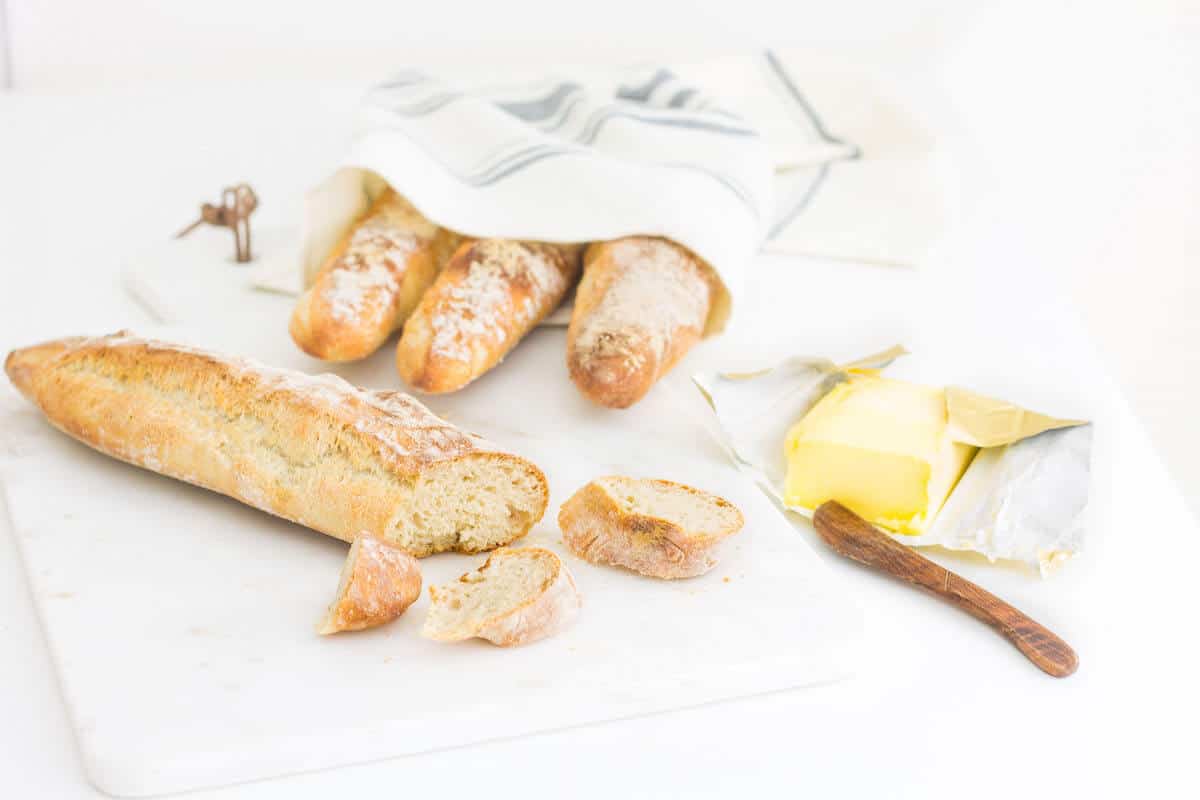
On my last trip to Paris, I reserved dinner at a cozy piano bar/restaurant in the 6th for the night of my arrival. When we sat down, I was still pretty delirious and jet-lagged, so I wasn’t really paying attention to anything other than my friends who were chatting with me. In fact, for a moment there, I completely forgot I was sitting in a cafe in Paris, France. It wasn’t until I absent-mindedly tore a piece off of the baguette on the table and put it in my mouth that I realized I was in my favorite city in the world. I immediately thought oh my goodness! The bread tasted incredible! Seriously, truly incredible. It tasted the way bread in France can only taste. A lot of people ask me how to make homemade baguettes like that, but non, ce n’est pas possible.
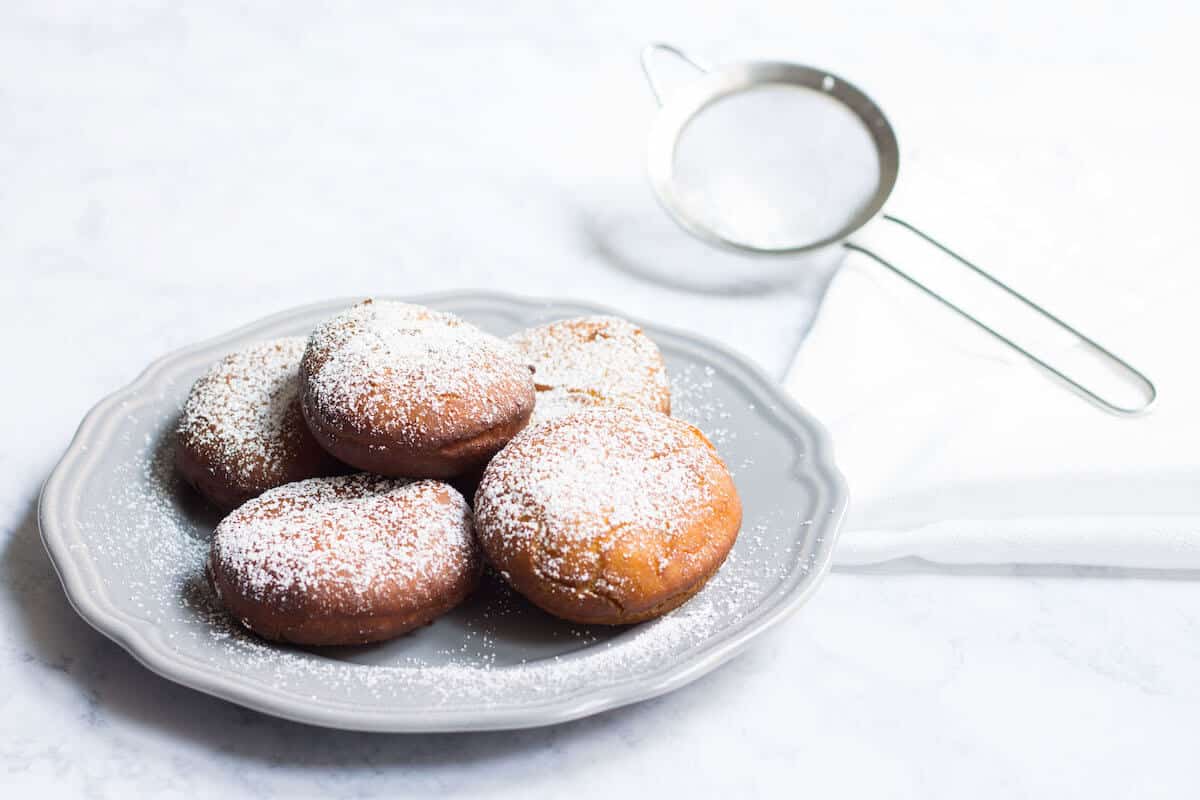
It may seem like the title of this post is a bit redundant considering beignets are French by origin, but I felt the need to clarify because of the variety of beignets that now exist throughout the world. Particularly, I felt the need to distinguish these beignets from the ones you’d find in New Orleans or many American bakeries. When I first when to Paris, I spotted beignets on a street vendor cart, not knowing they were beignets. They were round rather than square, like the beignets we often eat here in the States. When I actually bit into one, I found them much more cake-like than the beignets I was accustomed to. The beignets I’ve eaten in the States have often been somewhat hollow-like, much lighter and crisper than the French beignets I ate abroad. Since enjoying the soft, pillowy rounds that I enjoyed in Paris, I haven’t been able to eat any other kind of beignet; French beignets are simply divine.
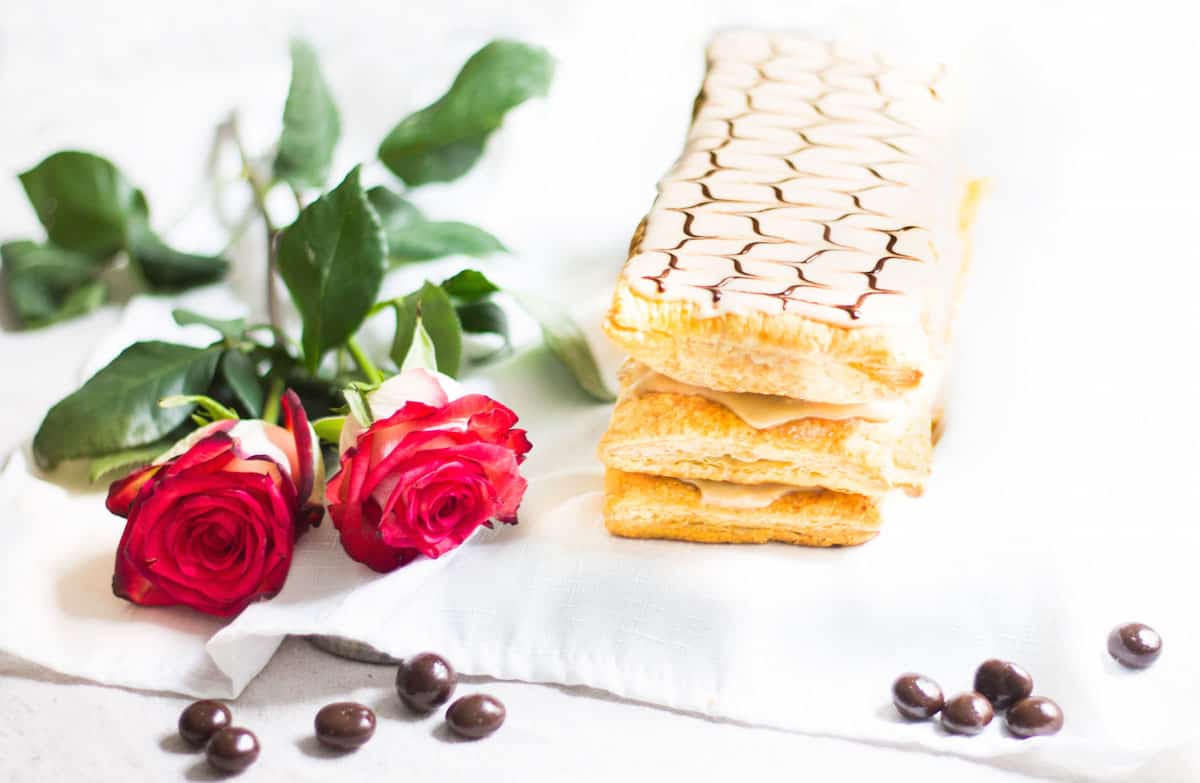
A thousand layers of buttery goodness, that’s what this mille-feuille is, and it’s also quite literally what mille-feuille means in French. Mille-feuille, or a thousand leaves in French, refers to the pastry dough that the dessert is made with, which is called pâte feuilletée. Pâte feuilletée is the equivalent of puff pastry, producing numerous golden, flaky layers that are as crisp and airy as they are buttery and indulgent. Classic mille-feuille can be made with any number of fillings, including pastry cream and jam. For this mille-feuille café, I’ve flavored the pastry cream with a bit of instant espresso powder, in addition to adding a splash of brewed coffee to the glaze.
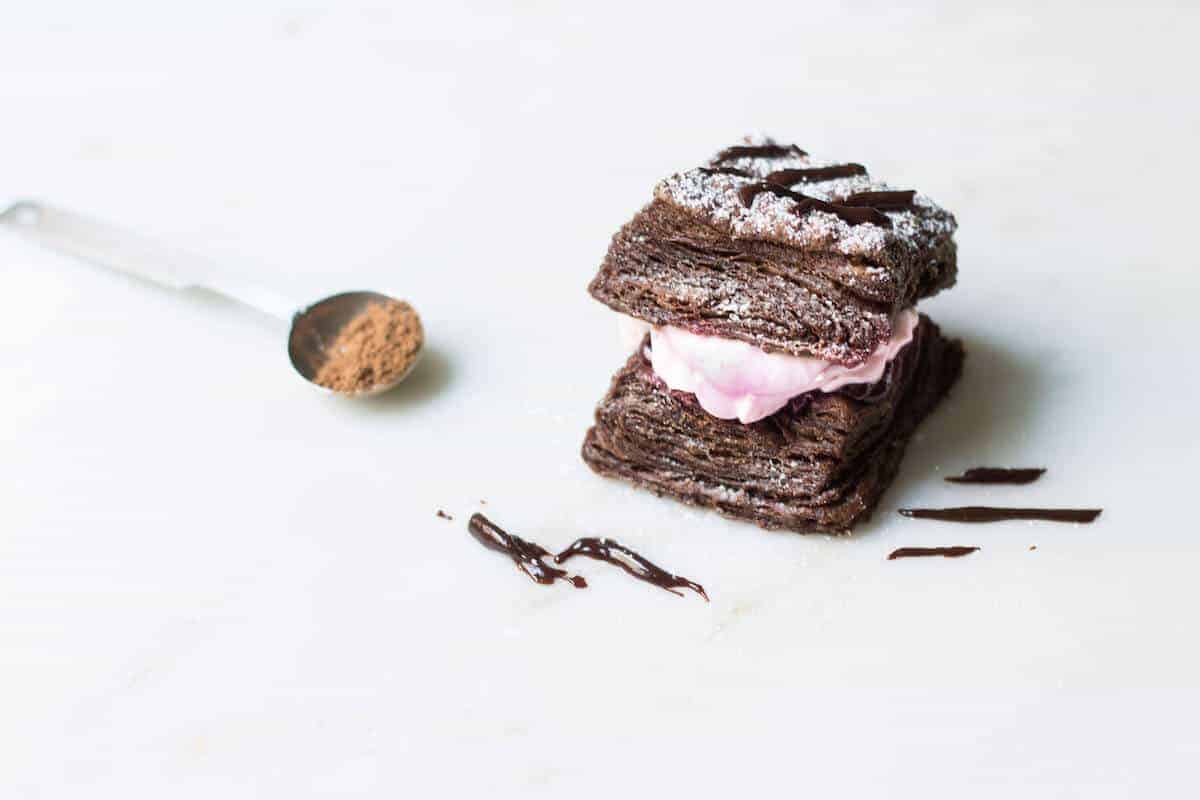
When I was younger, I thought a Hostess cupcake represented the best of chocolate. I had no idea that something like this chocolate puff pastry with strawberry cream existed, so I carried on eating “faux chocolate” in the form of store-bought cookies and cakes. I’d cringe at the dark chocolate candy bars I’d sometimes get in my Halloween bag, thinking that the less chocolate was tampered with, the more bitter and unenjoyable it was. And then I traveled to Paris and stumbled upon immaculate chocolate shops that displayed pure chocolate in the ethereal manner it deserved.
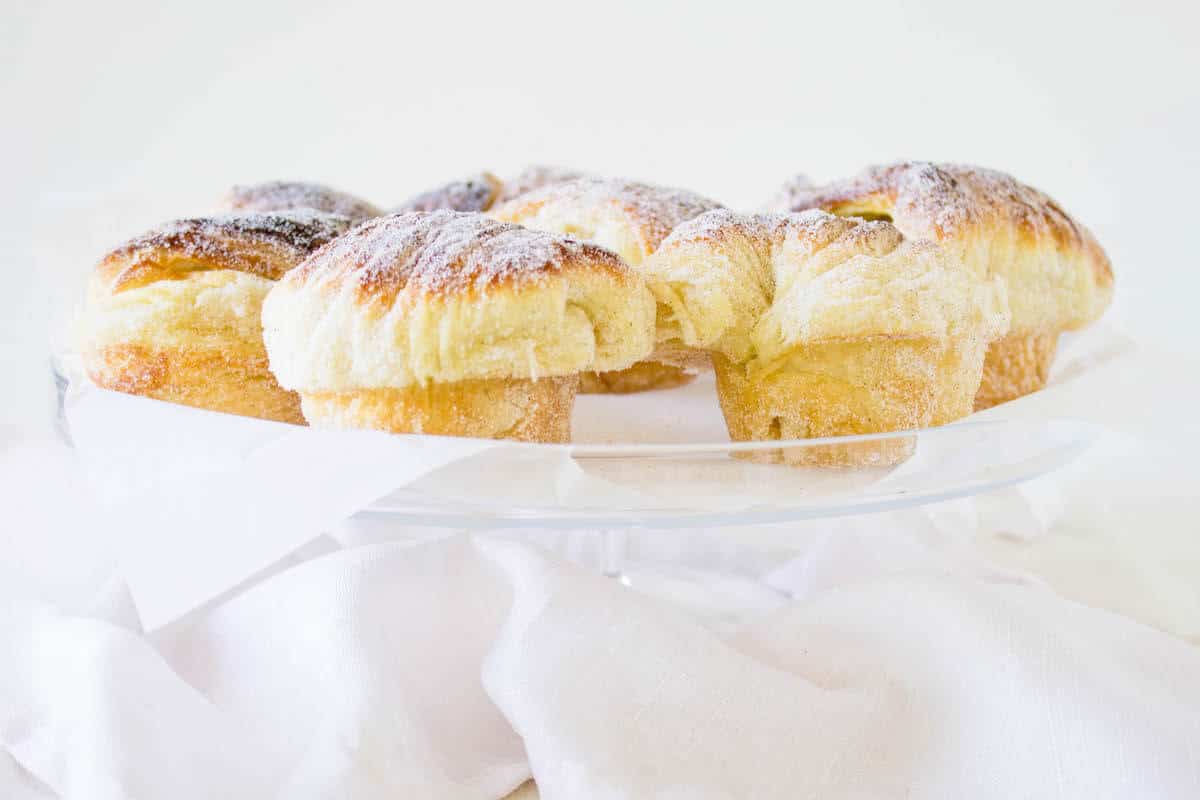
Just when I thought croissants really couldn’t get any better (I…
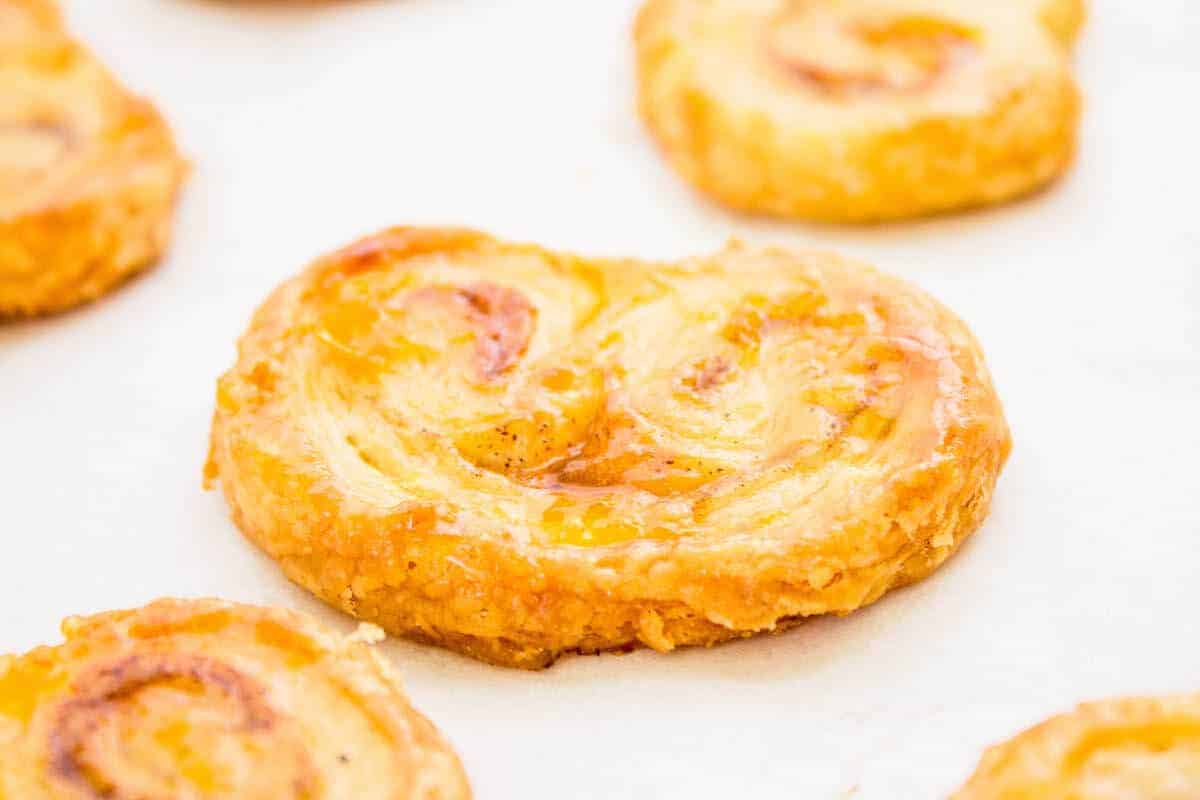
First, I just want to give a big thanks to…
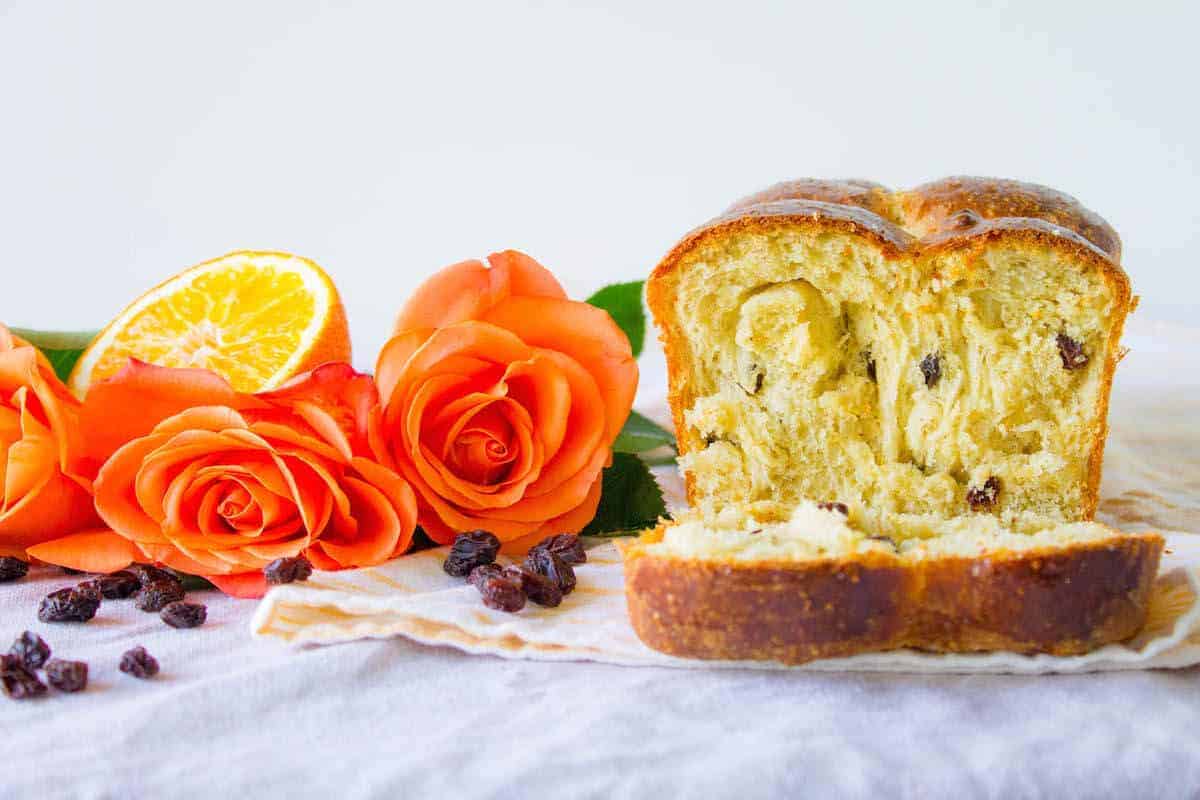
This cinnamon orange raisin brioche is fluffy and fragrant with…
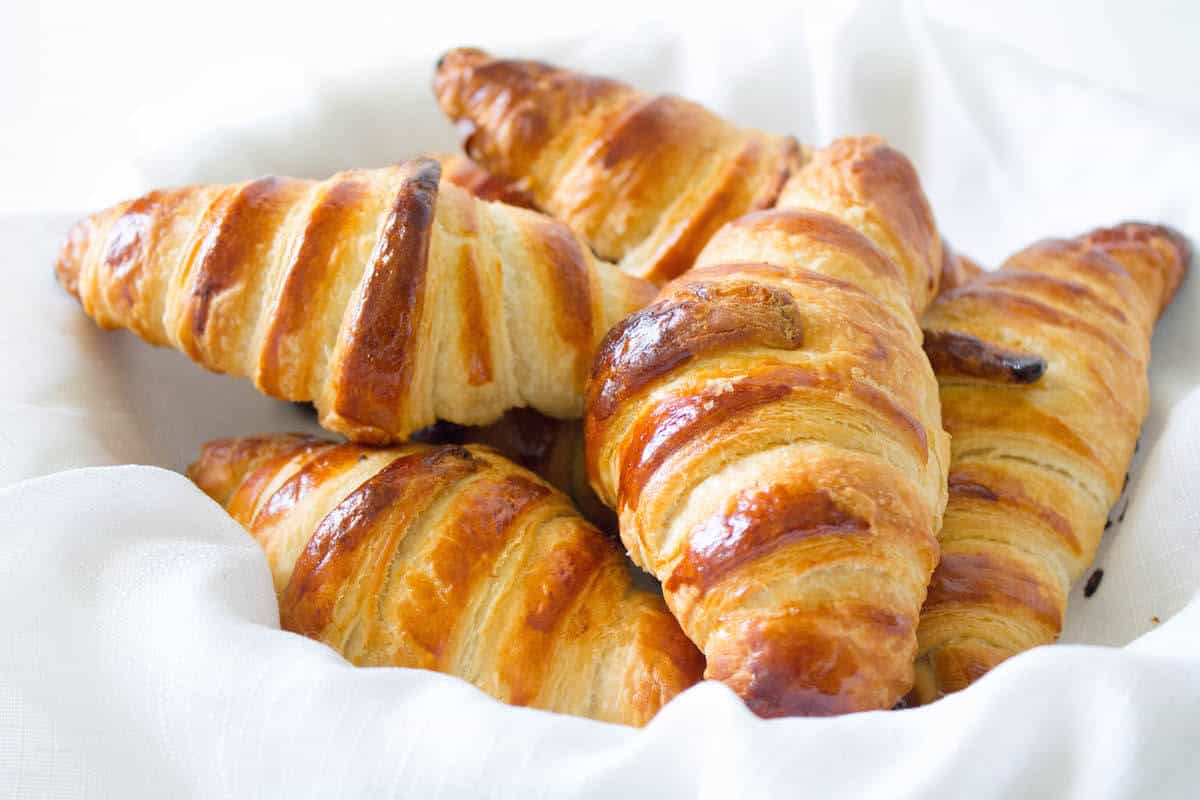
If you’ve followed my blog, you may or may not…
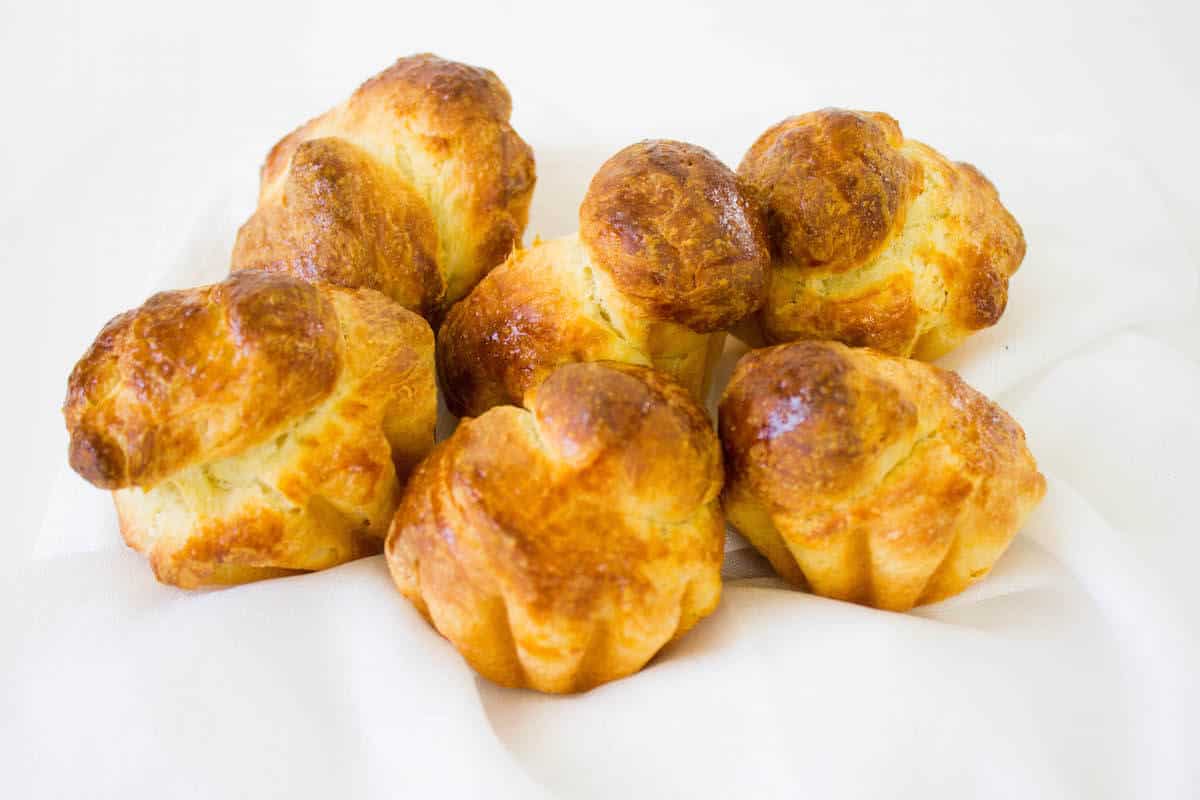
These brioche a tete rolls are perfect for entertaining. Make…